
Our History is Guitar History
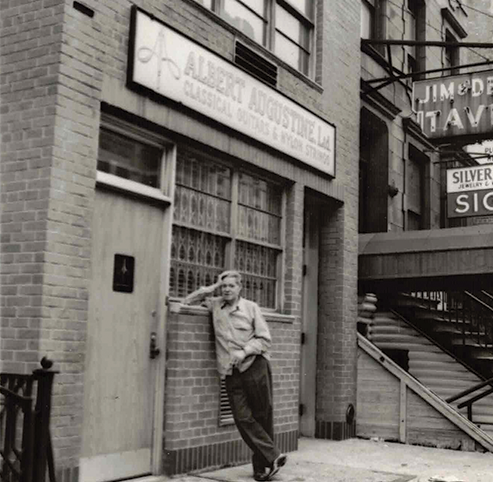
How Albert Augustine Developed the Modern Classical String and Changed the Art of the Guitar
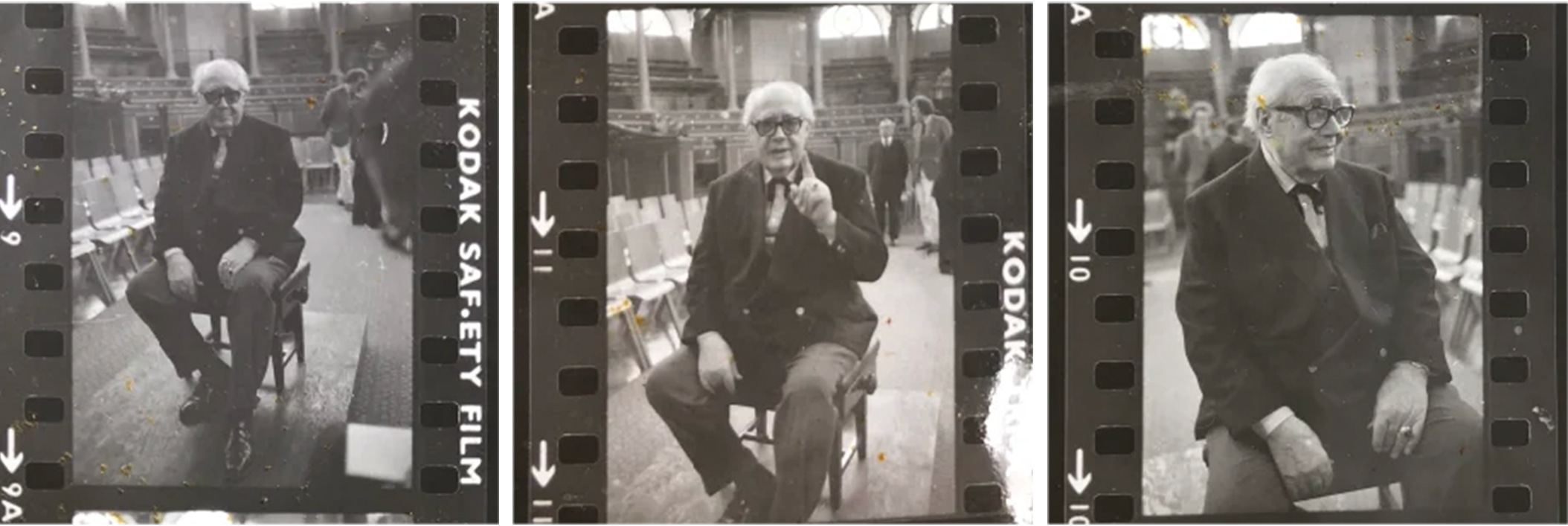
“From my earliest childhood - and I feel as though I must have been playing the guitar before I was born - I was handicapped by the brittleness of the strings that were then available; and as I grew in years and experience, I found myself more and more irritated…”
- Andrés Segovia
Vladimir Bobri, illustrator and editor of Guitar Review, introduced Segovia to Albert, who'd been stringing his guitars with fishing line made out of a new synthetic material developed by the DuPont company. DuPont saw little potential in using this product, which they called nylon, for the application of guitar strings. For Albert and Andrés, it opened up a new world of possibility.
Albert grinded and honed DuPont's nylon monofilament in his basement, refining trebles through countless conversations with Segovia. More challenges awaited in the development of bass strings composed of a core nylon multifilament "thread" that Albert wound in metals ranging from gold to aluminum before he and Segovia agreed that silver produced the most "noble sound."
Albert's strings resounded in Segovia's concerts across the globe, causing a fervor amongst guitarists in need of their own durable, reliable, brilliant strings. Before long, the players that would begin to shape the art of the guitar as it came to be known in the 20th century - from Segovia, to Olga Coelho, to the Abreu Brothers, to a young English prodigy named Julian Bream - were all playing “Augustine Strings.”
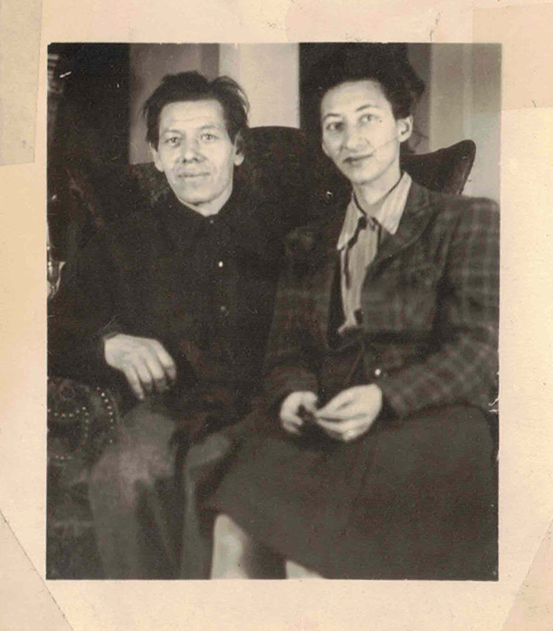
Albert and Rose Augustine
Albert Augustine was a Dutch immigrant, guitar enthusiast, and burgeoning luthier. He was also a founding member of The New York Society for the Classic Guitar, the first organization to present serious classical guitar concerts in New York City, and the publisher of a prestigious journal called Guitar Review.
In the 1940s, it was more difficult than ever to source quality strings, which at the time were made of animal gut (sheep, mostly). Beyond the inconsistency of strings composed of organic materials, their usage as field sutures during the war effort made them extremely scarce. Particularly confounded by this lack of good strings was Andrès Segovia, the Spanish virtuoso whose efforts to elevate the guitar from the parlor to the concert stage had made him an international sensation.
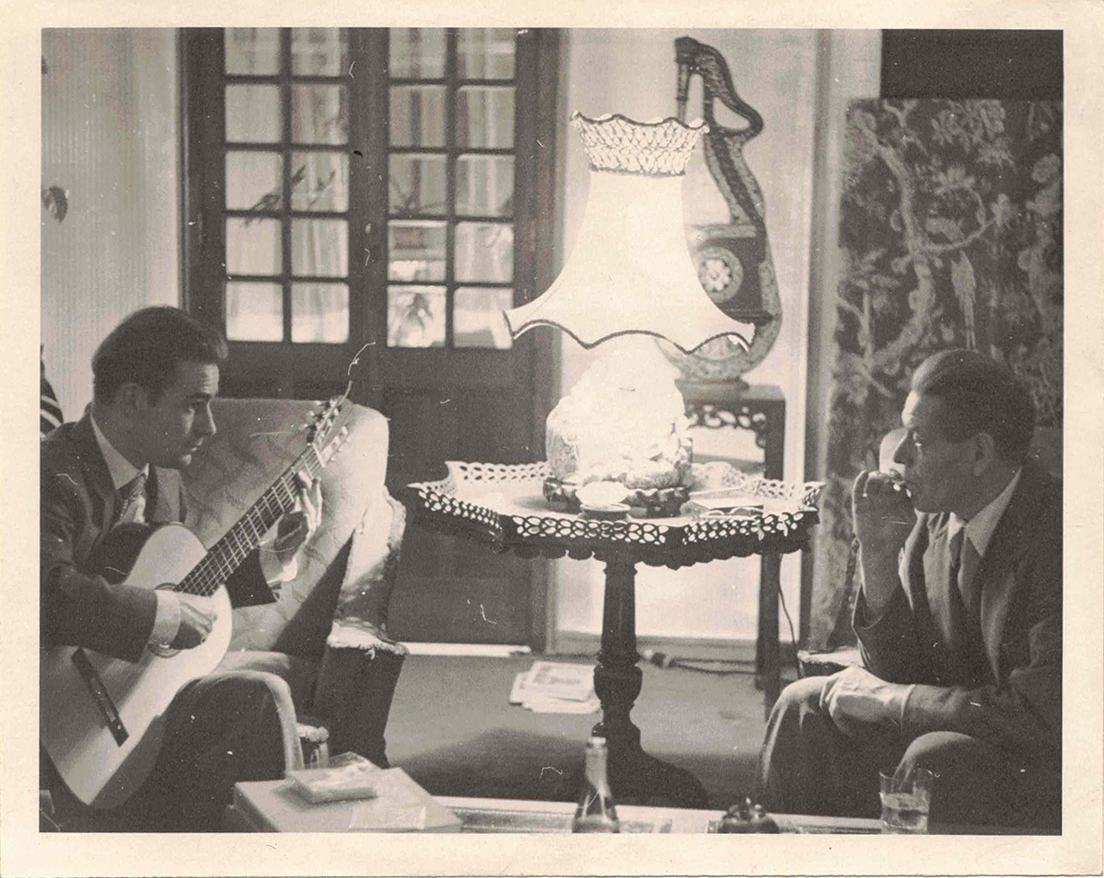
Julian Bream and Albert Augustine
Rose Augustine, Albert’s wife was not a guitarist, she was a chemistry teacher at a public school in the Bronx. However she shared Albert’s passion for the guitar and a fierce enthusiasm for the guitar community. After Albert’s passing in 1967, Rose took the reins of Augustine Strings, advocating on behalf of her husband’s legacy and all the while nurturing the musical careers of many of the most influential guitarists of the second half of the 20th century.
Albert and Rose were proud of their business, but it was their pride in the worldwide guitar community that inspired them to push forward for all guitarists - the fundamental concept by which Augustine Strings continues to operate today.
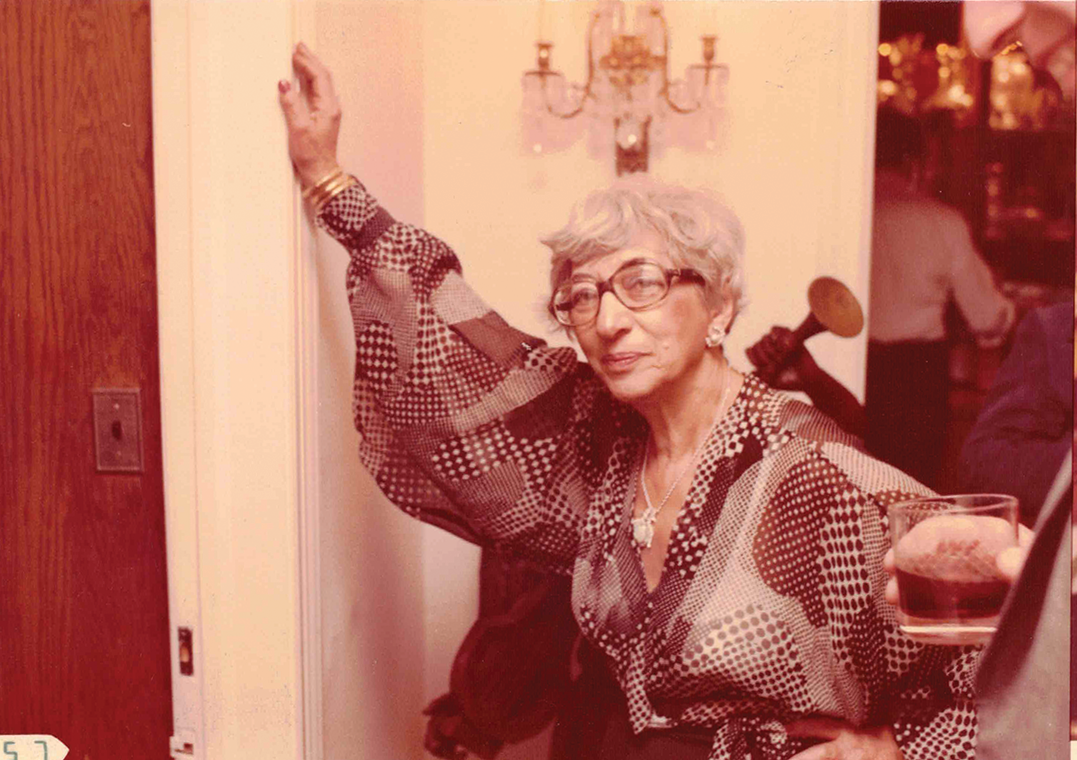
Rose Augustine